menu
WE NOW HAVE 2 LOCATIONS 186 FRASER STREET, TAURANGA & 200 LAKES BOULEVARD, PYES PA
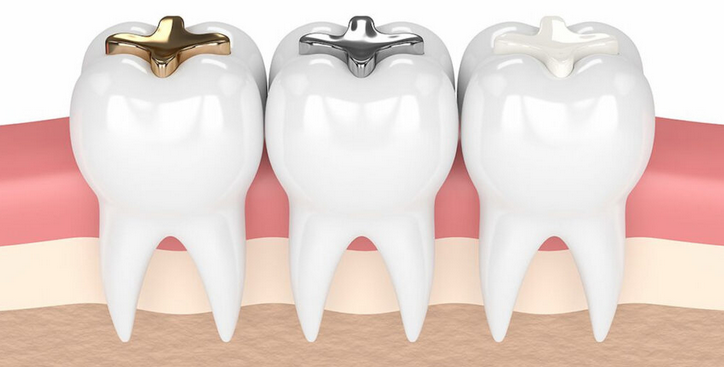
Finding out you need a filling can feel daunting, especially if it’s your first. The good news is that modern dentistry offers safe, durable and discreet options to repair teeth and stop decay from progressing. This guide explains why fillings are needed, and the three most common materials used today—what they’re made for, when they’re ideal, and the pros and cons of each—so you can make an informed choice with your dentist.
A filling restores tooth structure lost to tooth decay (dental caries), wear and tear (grinding/erosion), minor fractures, small chips, or to replace an old restoration that has failed. Treated early, a filling:
• removes soft, infected tissue and seals the tooth
• restores normal biting and chewing
• helps prevent deeper problems that may lead to root canal treatment or extraction.
Early treatment is best. If you notice sensitivity to sweet, cold or heat, food catching between teeth, rough edges with your tongue, or visible dark spots or holes, book a check-up promptly.
What it is: A long-standing, metal alloy filling material (primarily silver, tin, copper) that hardens within the tooth cavity.
Best for: Back teeth where strength, wear resistance and longevity are the priority; sites that are difficult to keep completely dry during placement.
Benefits
• Exceptional durability under heavy bite forces; very wear-resistant.
• Cost-effective and quick to place.
• Less technique-sensitive to moisture during placement than many alternatives.
Considerations
• Silver colour makes it more noticeable, so usually avoided for visible areas.
• Requires enough cavity shape to retain the material; this can occasionally mean removing a little extra tooth to achieve mechanical retention.
• Contains mercury in a stable alloy form; extensive safety data and regulatory oversight support its continued use, but some patients prefer non-metal options for aesthetic or personal reasons. Your dentist can advise if amalgam is appropriate for your situation.
What it is: Tooth-coloured resin reinforced with glass or ceramic particles; it bonds to enamel and dentine and is light-cured in layers.
Best for: Front teeth and visible areas where appearance matters; small-to-medium cavities; chipped edges; closing small gaps; minimally invasive repairs.
Benefits
• Aesthetic match to your natural tooth shade and translucency.
• Adhesive bonding supports the remaining tooth, often allowing conservative preparation (less drilling).
• Versatile for cosmetic re-contouring and repairing chipped corners.
Considerations
• Technique-sensitive: needs a clean, dry field and careful layering to avoid post-op sensitivity or premature wear.
• Can wear or stain over time, especially with large fillings and heavy bite forces.
• Appointment time can be slightly longer than amalgam; cost typically higher than amalgam but lower than indirect options (inlays/onlays).
What it is: A tooth-coloured material that sets via an acid–base reaction and chemically bonds to tooth structure.
Best for: Cervical (gum-line) lesions, root-surface cavities, non-load-bearing areas, temporary or intermediate restorations, and patients at high risk of decay.
Benefits
• Fluoride release helps resist recurrent decay and can be beneficial where plaque control is difficult.
• Moisture-tolerant during placement, useful when isolation is challenging.
• Chemical adhesion to tooth can be gentle on sensitive root surfaces.
Considerations
• Lower wear resistance than composite; not ideal for large, load-bearing occlusal areas.
• Appearance is tooth-coloured but generally less glossy than composite.
• In heavier bite zones, GIC is often used as a liner/base with composite over the top (a “sandwich” technique) to combine benefits.
There isn’t a single “right” material for every tooth. Your dentist will assess:
• Cavity size and location (front vs back; biting surface vs gum-line)
• Bite forces and grinding habits
• Moisture control during placement
• Aesthetic goals
• Caries risk and oral hygiene
• Longevity expectations and budget
Sometimes the clinical situation makes the choice clear—for example, a small chip on a front tooth suits composite, a non-load-bearing gum-line repair may favour GIC, while a heavily loaded back tooth with limited isolation could be best served by amalgam or a staged approach leading to an indirect restoration.
• Numbing (if needed) and careful removal of decay or old material.
• Preparation and isolation (rubber dam or cotton rolls) for a clean, dry field.
• Placement of the chosen material, shaping to your natural bite.
• Polish and bite check; minor adjustments are sometimes needed.
• Aftercare: mild sensitivity to cold or chewing pressure can occur briefly and usually settles. Maintain excellent brushing, flossing and fluoride use; attend regular reviews to monitor the restoration and the surrounding tooth.
If you have tooth sensitivity, a visible cavity, or you’ve been told you need a dental filling, we’re here to help. Duncan Dental provides comprehensive examinations, preventative care and conservative, aesthetic restorations from our Fraser Street clinic and at Lakes Dental in Pyes Pa. We’ll explain your options—amalgam, composite and glass ionomer—and recommend the material that best balances appearance, strength, durability and cost for your specific tooth.
Book a check-up to catch problems early and keep your smile comfortable, functional and looking its best.

We are here to help and we are only a phone call away so give us a call today.